Birds
Golden eagle
Utah's state bird of prey, a big mountain and open-country hunter that mostly stays in the state all year.
Everything Utah, every day.
Help Utahns understand their communities and hold government accountable. Our mission →
The national bird, a fish-eating eagle that uses Utah wetlands in winter and takes five years to earn its white head.
An adult bald eagle's white head and tail stand out against a dark body, but young birds do not have them. The Fish and Wildlife Service notes that bald eagles under five years old lack a fully white head and tail and are patchy brown and white, so they are easily mistaken for golden eagles. Distance and size can also mislead, since eagles are sometimes confused with vultures or large hawks.
Fish and carrion are the main foods. The species is also a well-known recovery story: it was in danger of extinction across most of its range in the mid-1900s because of habitat loss, shooting and DDT, and habitat protection, the DDT ban and public conservation helped it rebound. In Utah, Bear River Migratory Bird Refuge says bald eagles use the refuge in winter for feeding and resting during the day.
That refuge note is a seasonal pattern, not a count and not a promise for any one viewpoint. Use binoculars, give perched and roosting birds room, and stay away from nests. When a brown eagle is hard to name, compare several features with the golden eagle profile and be willing to say you are not sure.
Adults have a white head and tail; birds under five years old are mottled brown and white.
Recovered after near-extinction in the mid-1900s, according to USFWS; check the agency for current status.
Use binoculars, keep distance from perched birds and nests, and stay in public viewing areas.
Utah's state bird of prey, a big mountain and open-country hunter that mostly stays in the state all year.
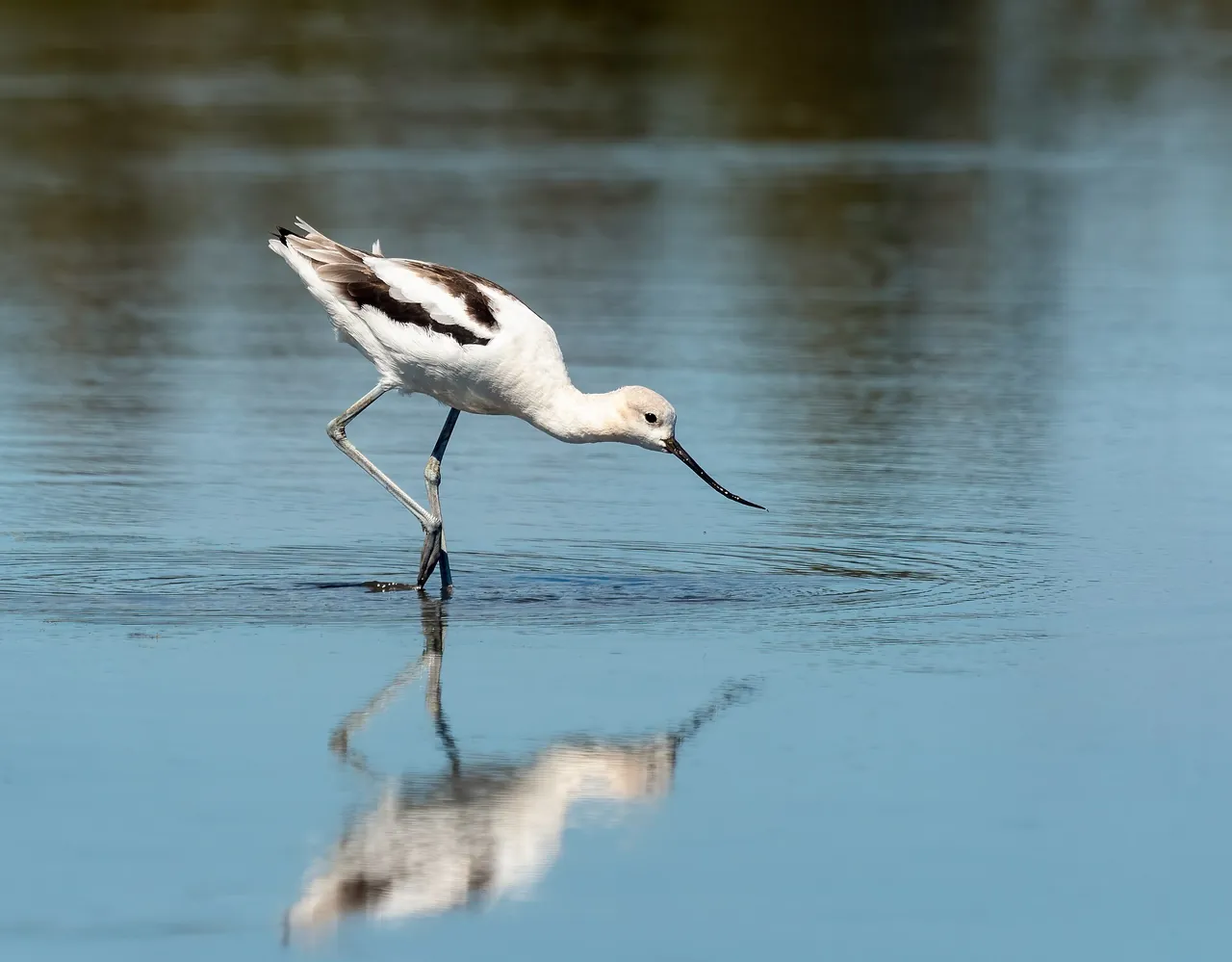
An upturned bill, blue-gray legs and a sweeping feeding motion make this wetland shorebird especially distinctive.
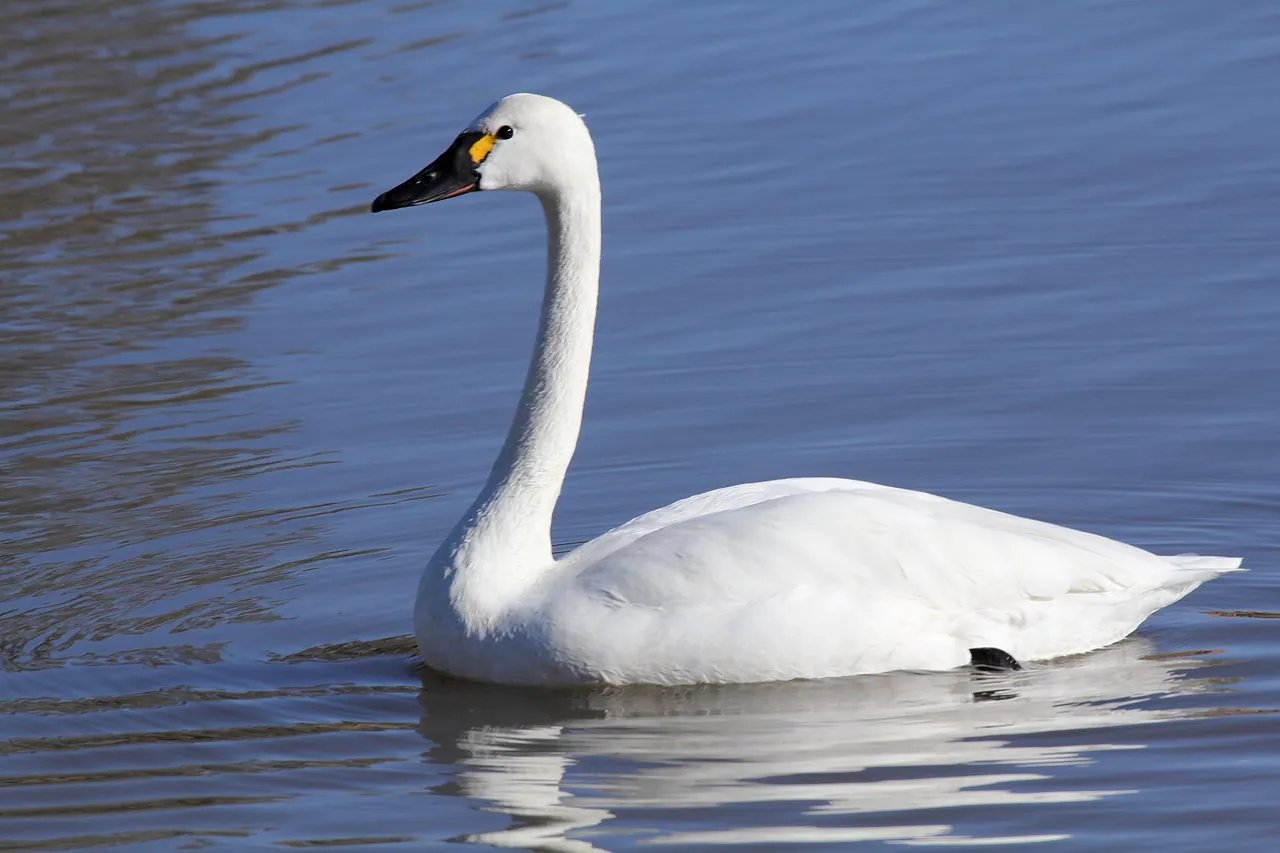
A large white migrant whose family groups link Utah's wetlands with Arctic nesting country.
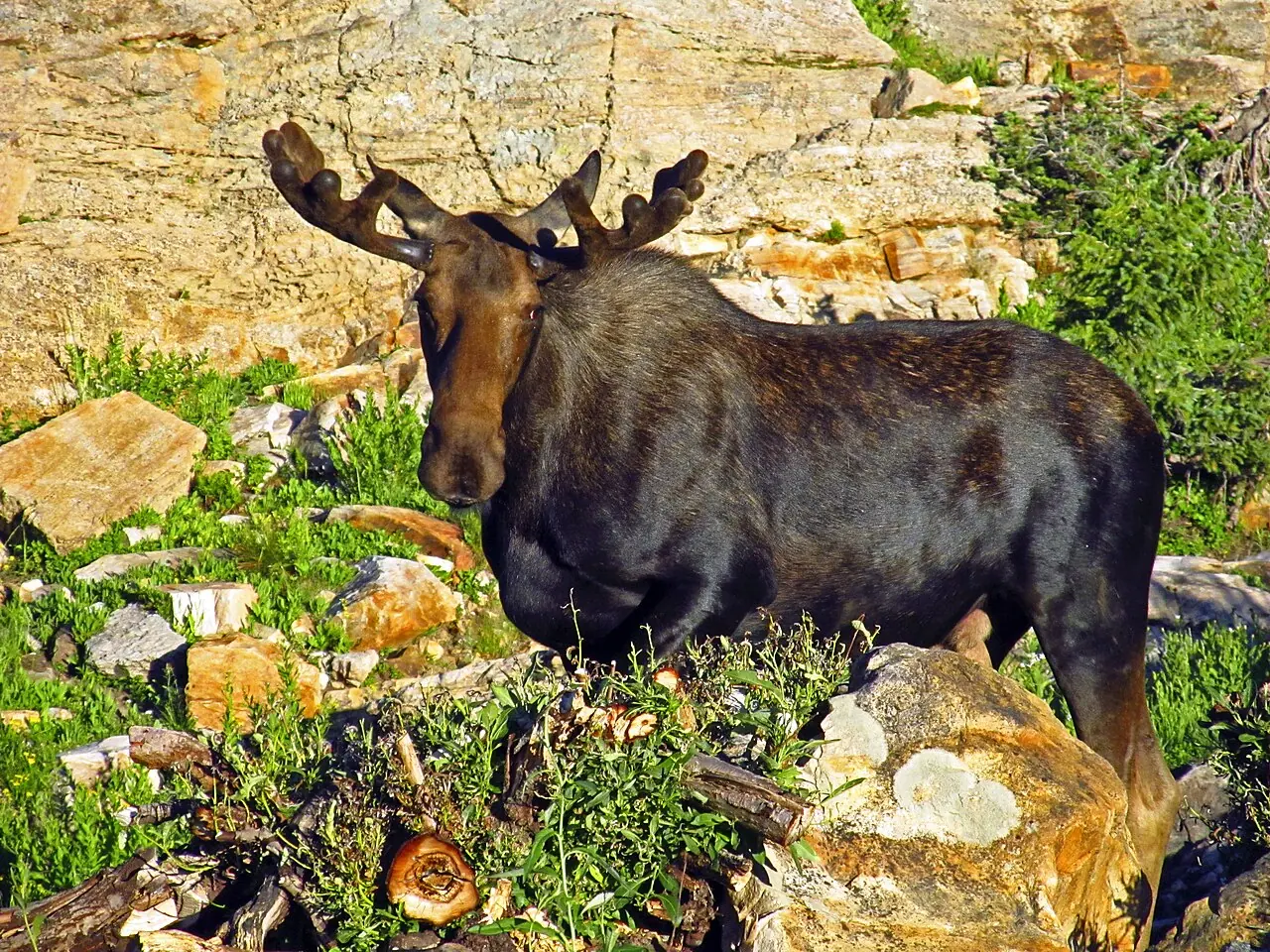
The largest member of the deer family in Utah, at home where northern mountain forest meets water.