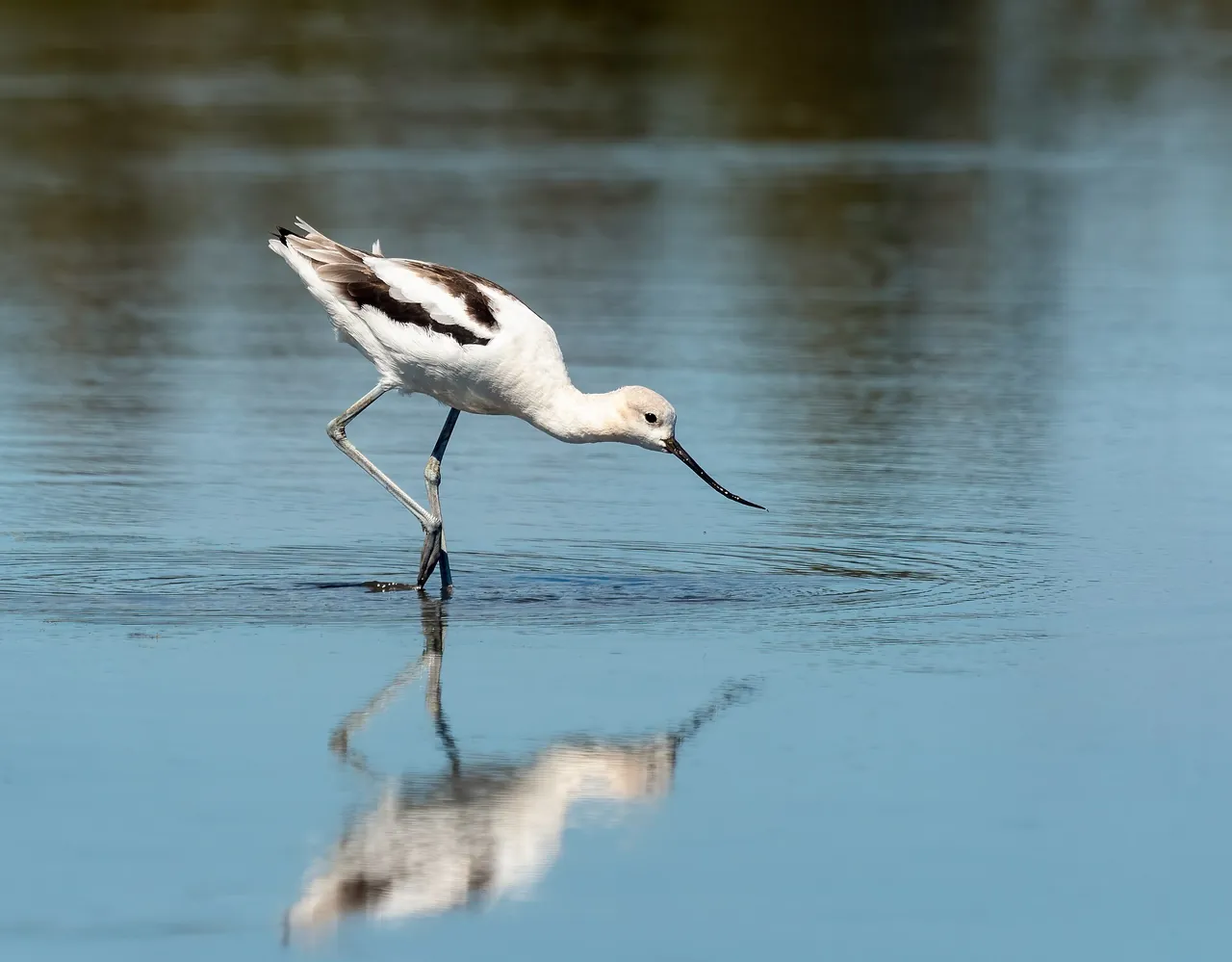
American avocet
An upturned bill, blue-gray legs and a sweeping feeding motion make this wetland shorebird especially distinctive.
Everything Utah, every day.
Help Utahns understand their communities and hold government accountable. Our mission →
A tall gray crane whose Utah roosts and feeding fields are different places.
Sandhill cranes are tall, long-lived birds with elaborate courtship displays: they spread their wings, bob their heads, bow, hop and call loudly. Utah is home to two of North America's five recognized populations, the Rocky Mountain and Lower Colorado River Valley groups. Utah DWR says over a thousand cranes nest in the state each year, and tens of thousands migrate through in spring and fall.
DWR identifies Box Elder, Cache and Rich counties as established breeding habitat, and the Uintah Basin and Sanpete and Sevier counties as important stopovers. Its tracking work in 2019 and 2020 followed nine cranes from central Utah. Some made journeys of thousands of miles between breeding and wintering areas, while others stayed in the same county all year, so no single pattern fits every bird.
Cranes roost at night in shallow wetlands and wet meadows and fly to feeding sites in the morning and evening. The quiet roost matters as much as the busy field. Watch from authorized viewing places, stay out of fields and away from roosts, and do not publish a roost's exact location.
Tall gray bird with a red crown and rolling, rattling calls; compare the whole bird with a heron.
Use authorized viewing places and do not enter fields or approach roosts.

An upturned bill, blue-gray legs and a sweeping feeding motion make this wetland shorebird especially distinctive.

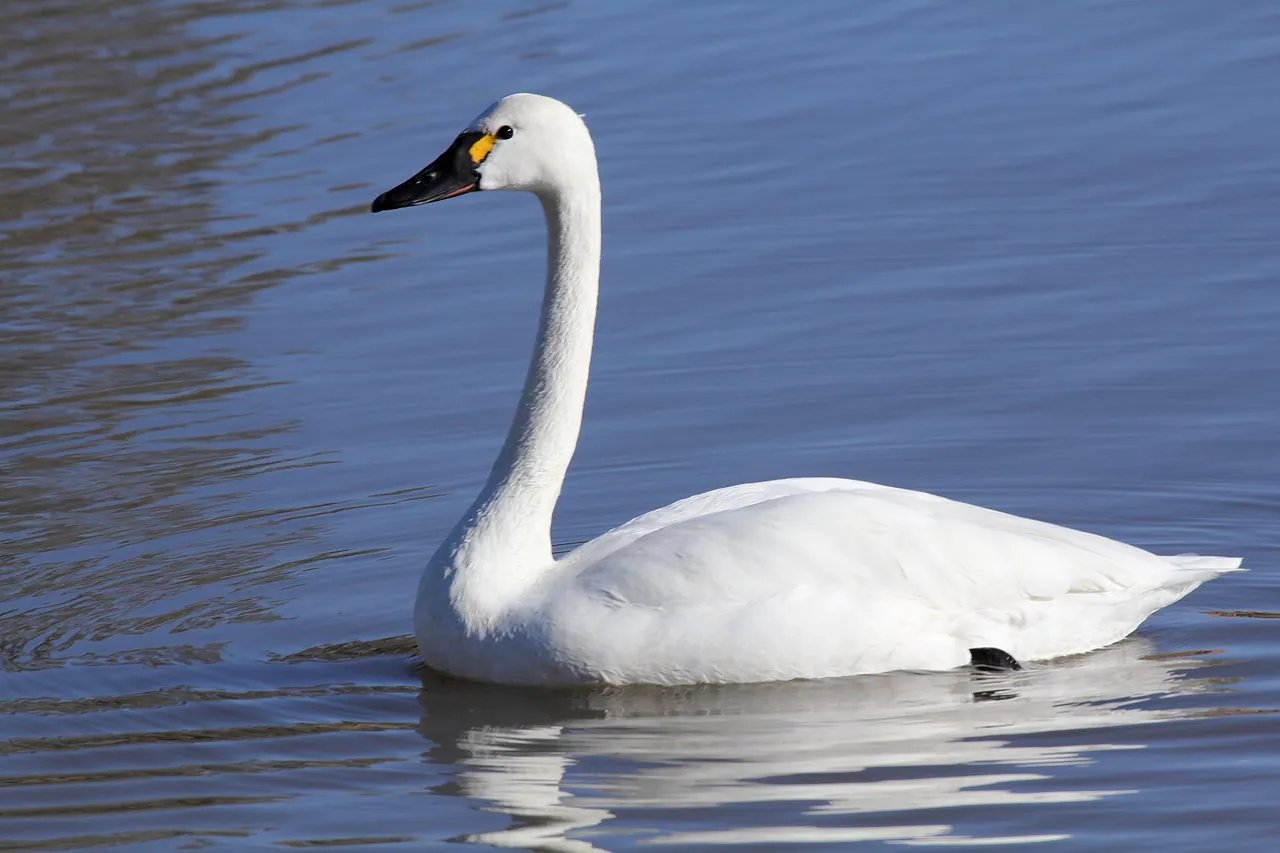
A large white migrant whose family groups link Utah's wetlands with Arctic nesting country.

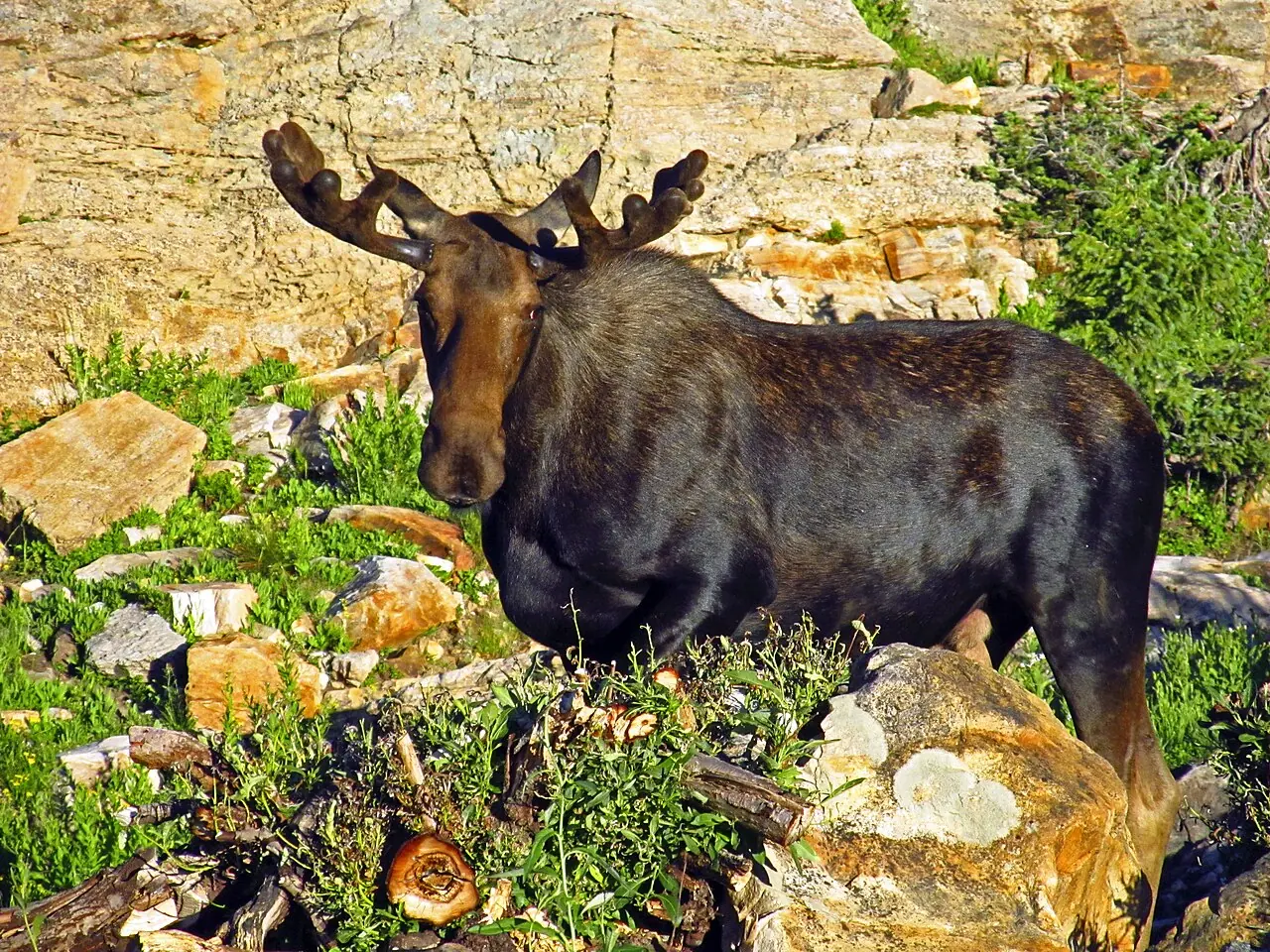
The largest member of the deer family in Utah, at home where northern mountain forest meets water.

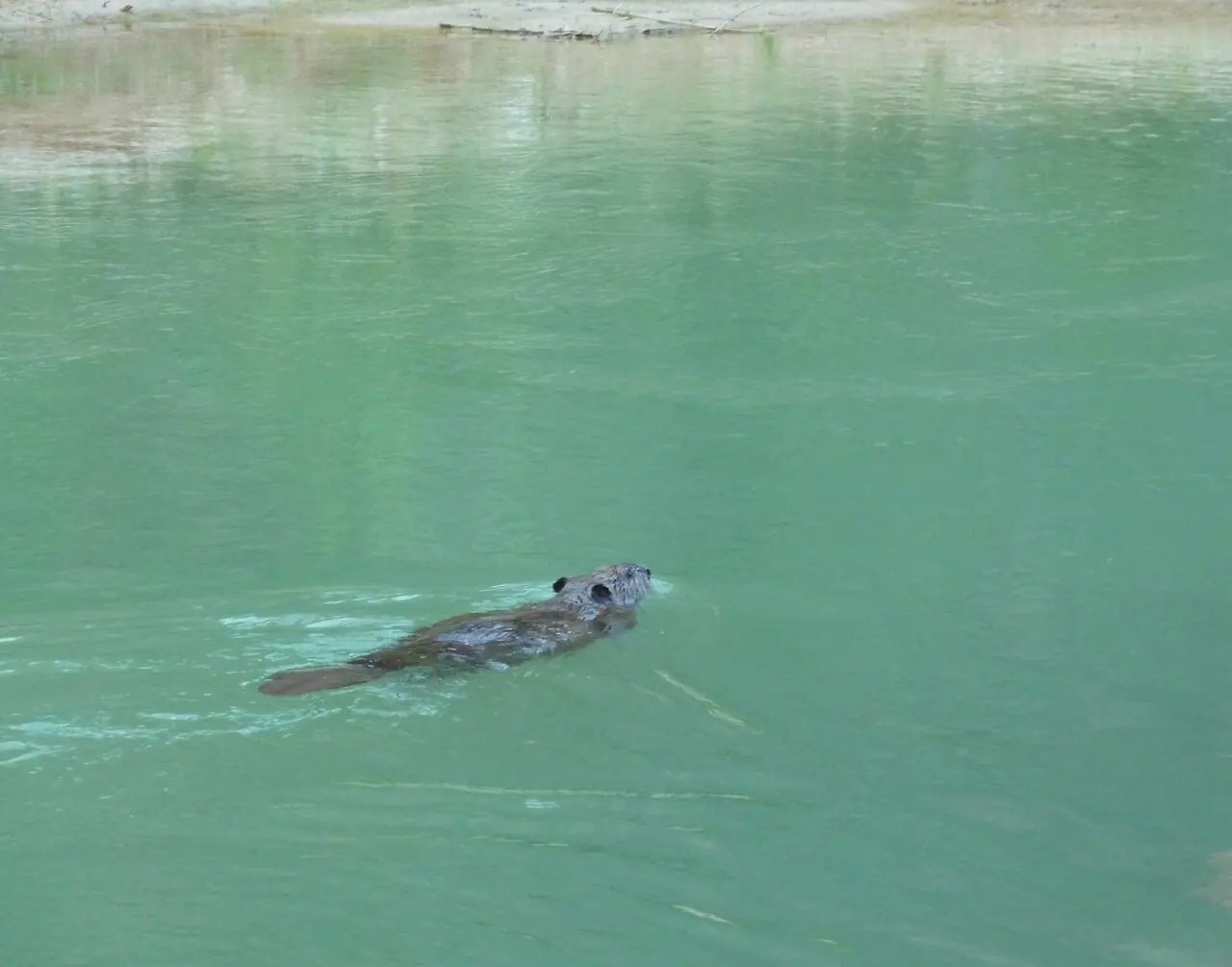
A paddle-tailed rodent whose feeding and construction can transform a stream into a complex wetland.