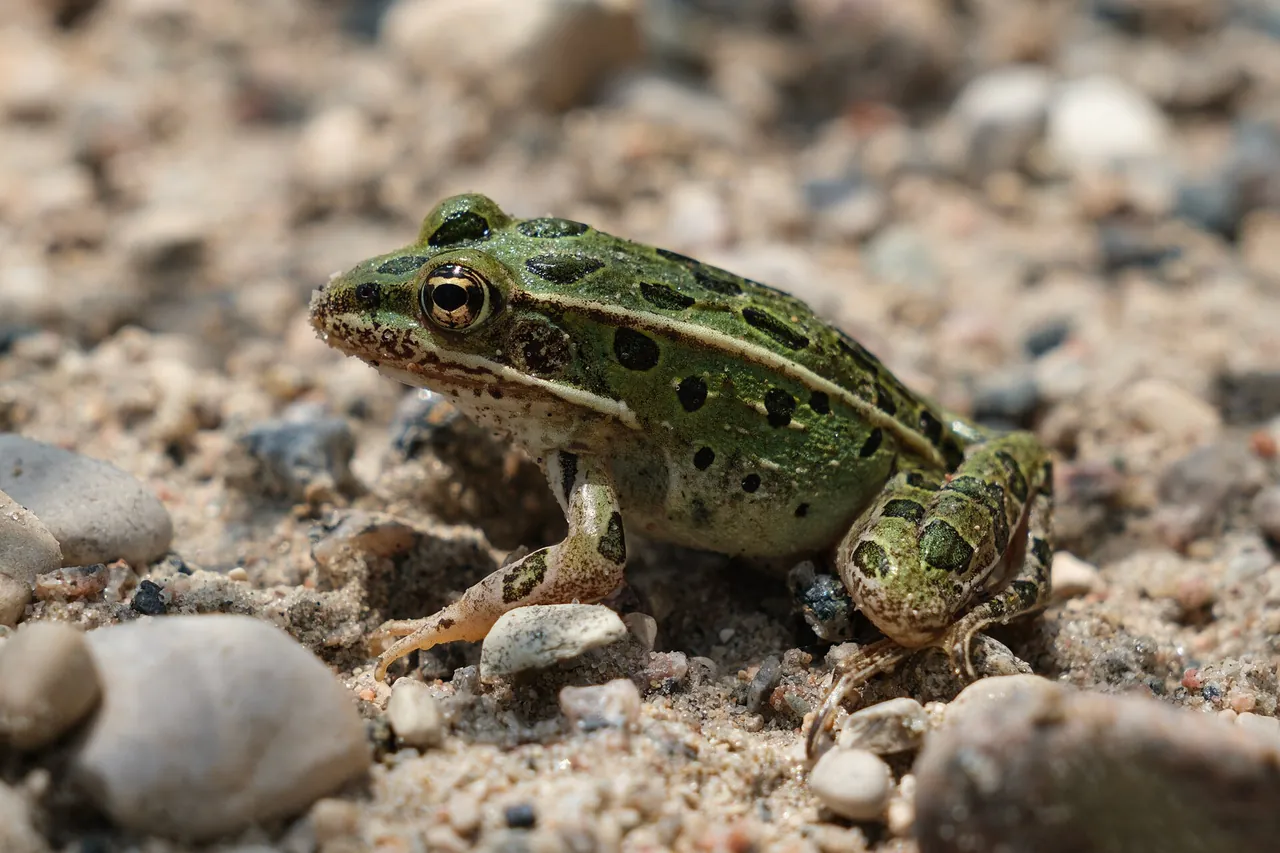
File photo: a northern leopard frog on gravelly ground. Photo: Jasper Shide · CC0 · Wikimedia Commons
Amphibians
Northern leopard frog
A spotted frog that needs a connected mix of breeding water, moist feeding ground and overwintering habitat.
Everything Utah, every day.
Help Utahns understand their communities and hold government accountable. Our mission →
A wetland frog whose federal story applies to one population, not to every Utah frog.
The U.S. Fish and Wildlife Service places Columbia spotted frogs from Alaska and British Columbia south through the northwest and into parts of Wyoming, Nevada and Utah. They live in spring seeps, meadows, marshes, ponds and streams with abundant vegetation, and migrate along riparian corridors between spring breeding, summer feeding and winter hibernation sites.
Adults are brown, gray-brown or olive on the back with irregular dark spots, and Yellowstone adds a cream underside that can be splashed with orange on the thighs. They breed from April to early June depending on temperature and elevation, and adults mostly eat insects. Many similar frogs occur in the same regions, so one photograph rarely settles the identification.
FWS describes a separate Great Basin population in eastern Oregon, southwestern Idaho and northern Nevada, and the agency removed that population from candidate consideration in 2015. That label should not be applied to Utah frogs automatically. Keep out of shallow breeding areas and do not move frogs between waters.
Brown or olive frog with irregular dark spots and a light stripe on the upper jaw; compare several features.
The Great Basin population label applies to Oregon, Idaho and Nevada; no federal status is shown here for Utah frogs.
Stay out of shallow breeding areas and never move frogs between waters.
A spotted frog that needs a connected mix of breeding water, moist feeding ground and overwintering habitat.
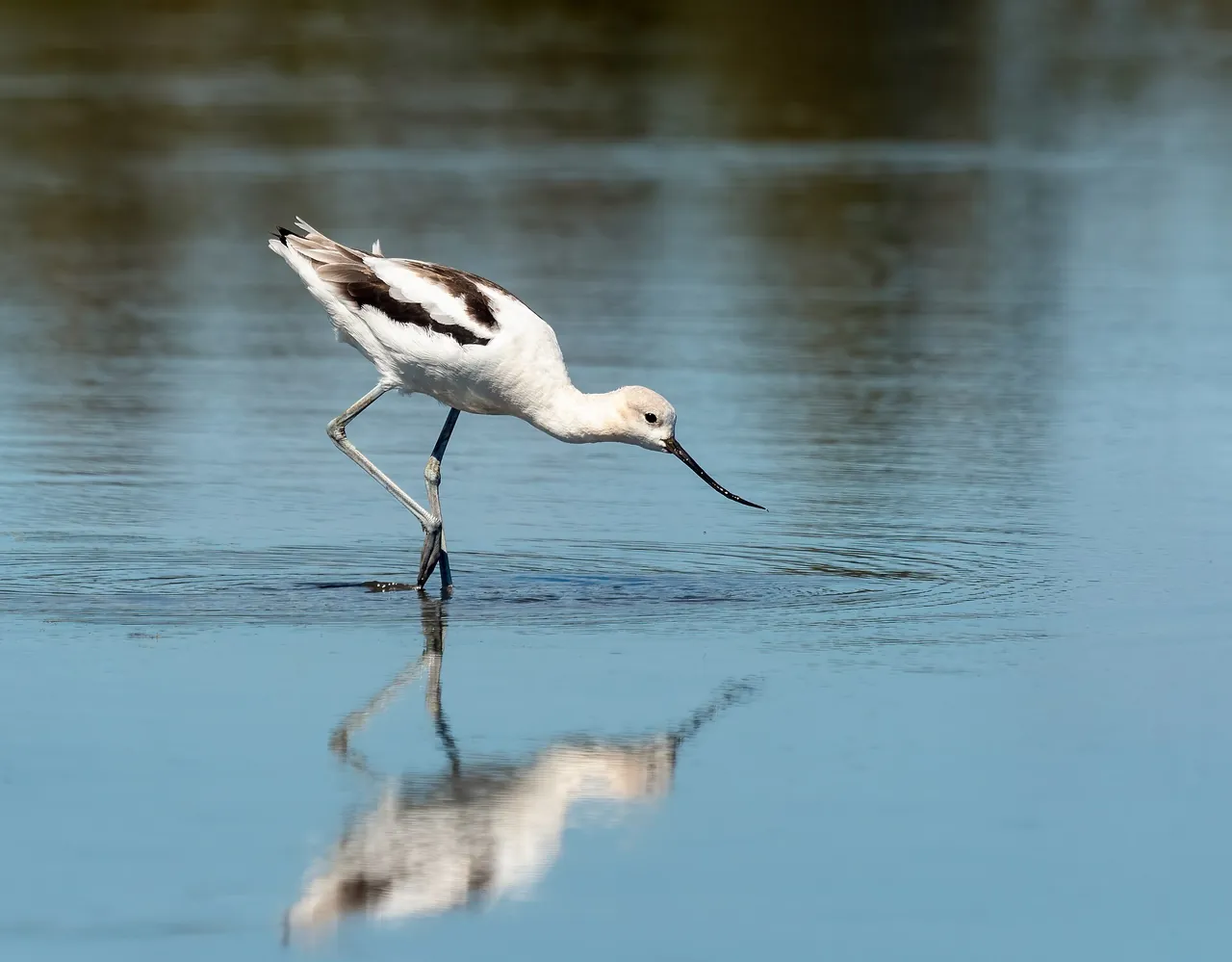
An upturned bill, blue-gray legs and a sweeping feeding motion make this wetland shorebird especially distinctive.
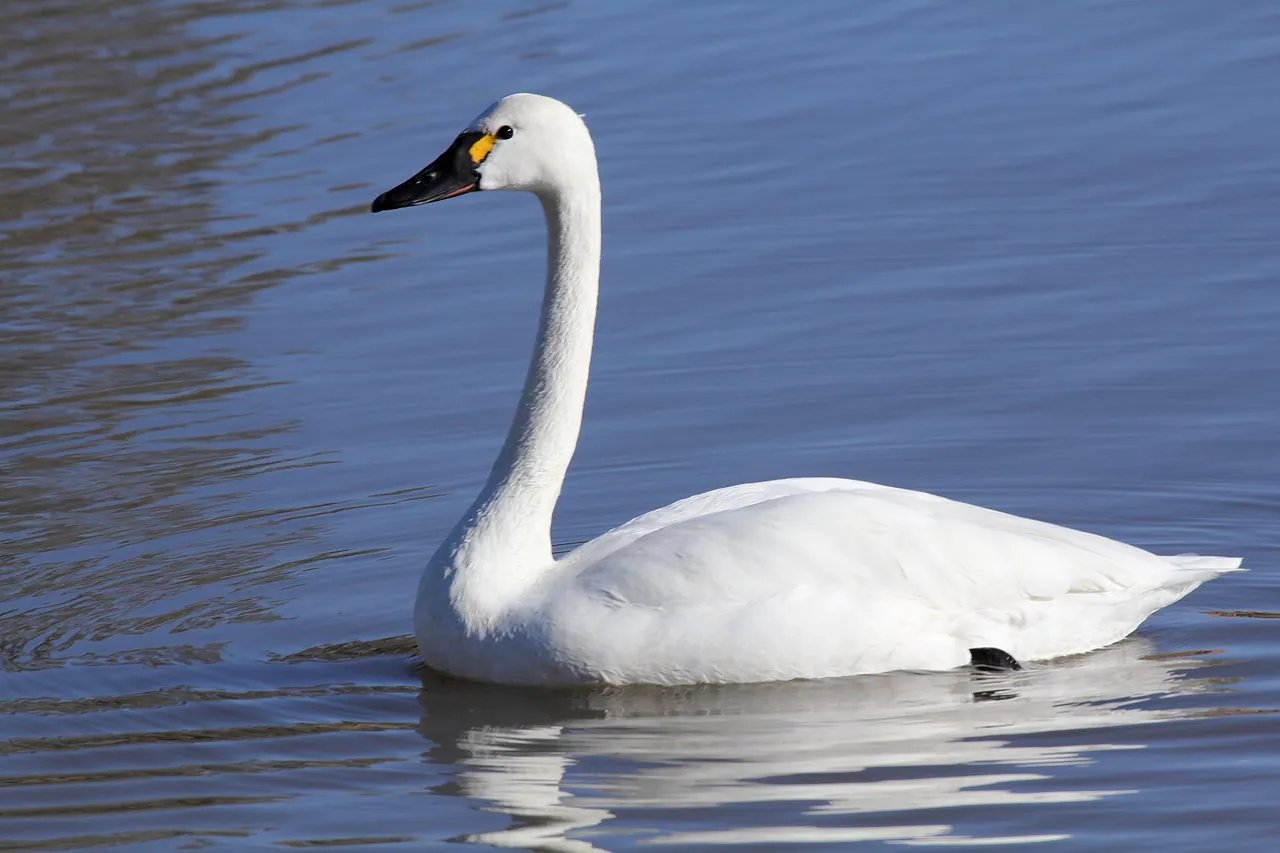
A large white migrant whose family groups link Utah's wetlands with Arctic nesting country.
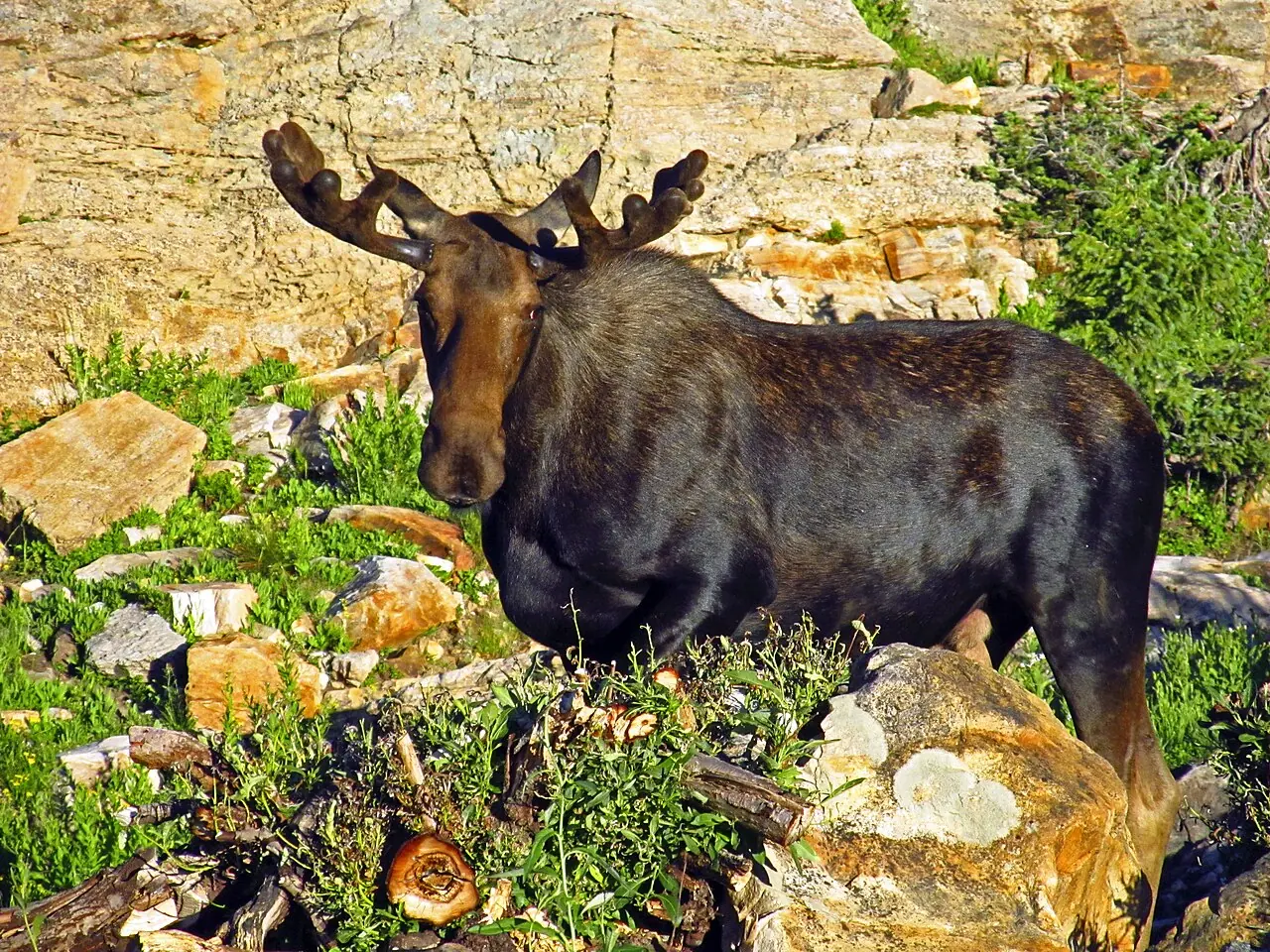
The largest member of the deer family in Utah, at home where northern mountain forest meets water.