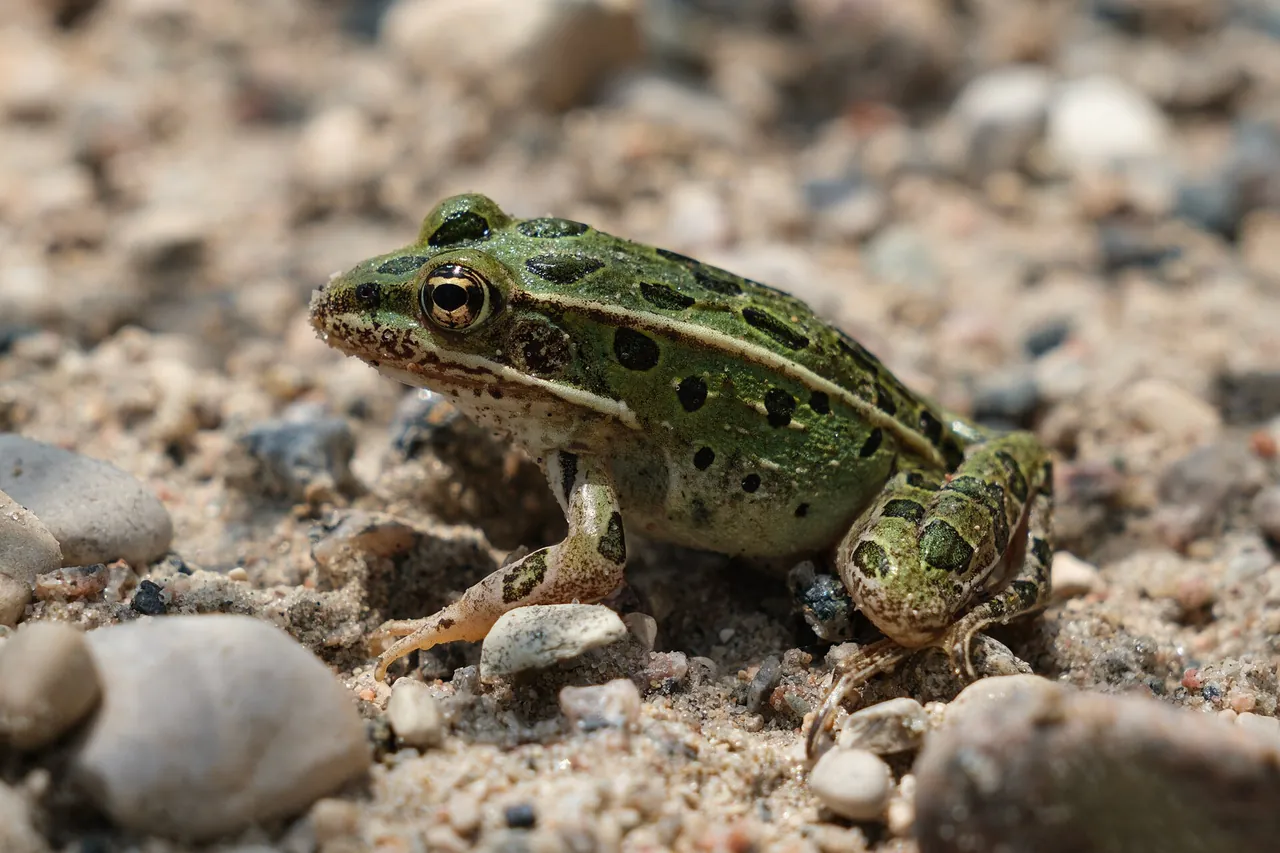
File photo: a northern leopard frog on gravelly ground. Photo: Jasper Shide · CC0 · Wikimedia Commons
Amphibians
Northern leopard frog
A spotted frog that needs a connected mix of breeding water, moist feeding ground and overwintering habitat.
Everything Utah, every day.
Help Utahns understand their communities and hold government accountable. Our mission →
A rock-colored frog with toe pads that hides in stone crevices by day.
Zion describes the canyon treefrog as plump and warty, almost toad-like, with olive to brownish-gray skin and darker blotches in most populations. The most distinctive feature is what look like suction discs on each toe. Its color helps it blend into stone.
It is mainly active at night and often seen along watercourses. By day it hides among rocks or in stony crevices near streams. Zion's amphibians breed in water, hibernate for the winter and begin emerging in spring as temperatures, rain and snowmelt create the right conditions.
Zion uses the scientific name Hyla arenicolor, while some taxonomic references use Dryophytes arenicolor; either may appear, and both belong to one species. Look without handling the frog, turning cover stones or stepping into a small pool.
Mottled frog that matches rock, with disc-like toe pads.
Do not handle frogs, turn stones or enter small pools.
A spotted frog that needs a connected mix of breeding water, moist feeding ground and overwintering habitat.
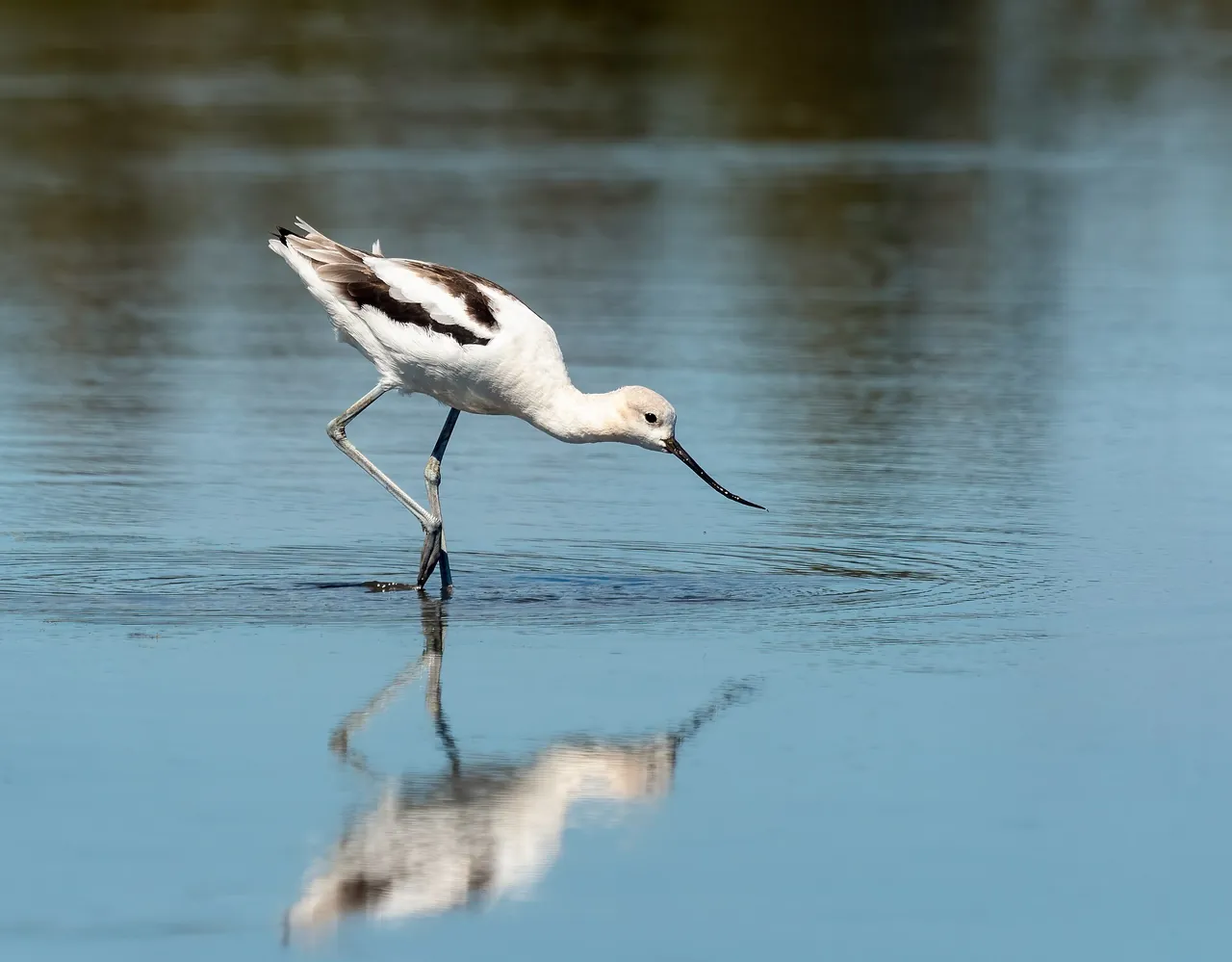
An upturned bill, blue-gray legs and a sweeping feeding motion make this wetland shorebird especially distinctive.
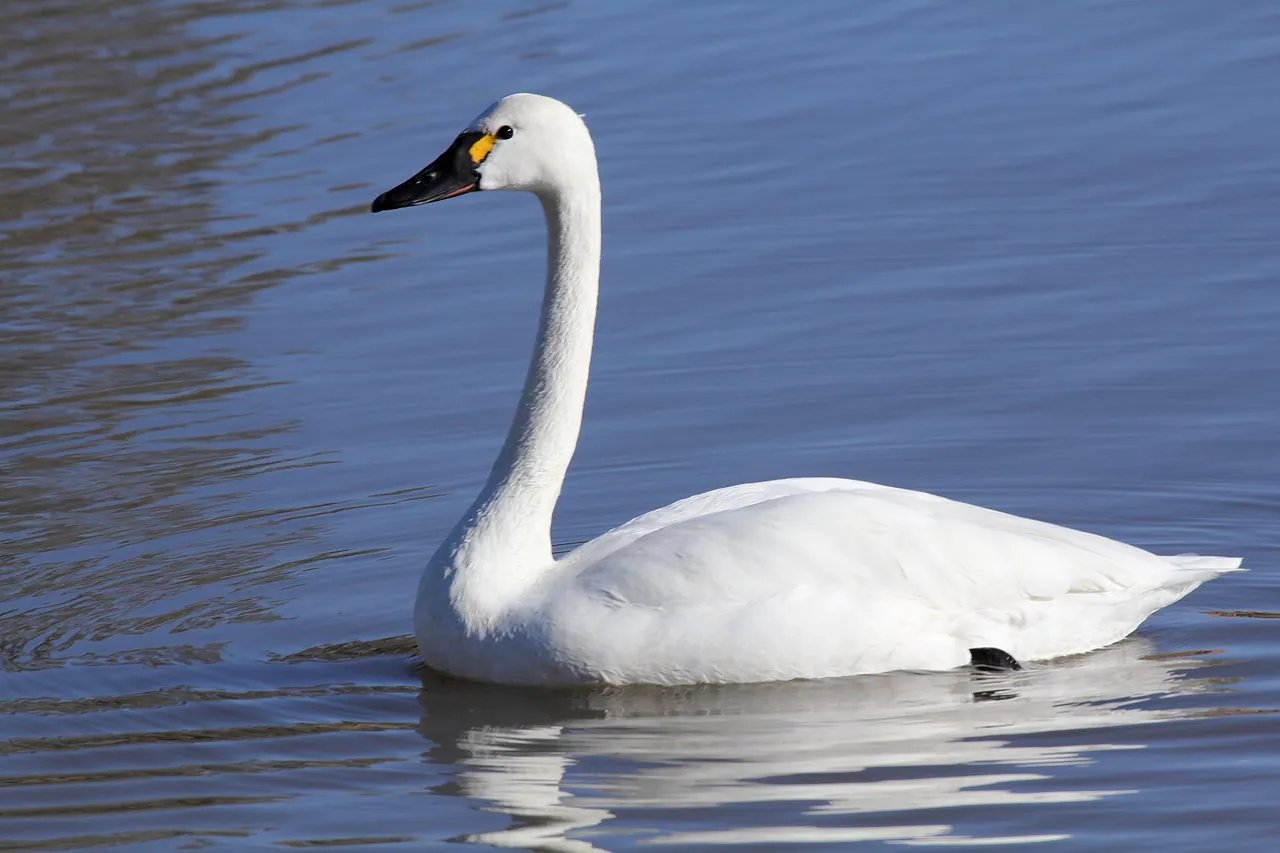
A large white migrant whose family groups link Utah's wetlands with Arctic nesting country.
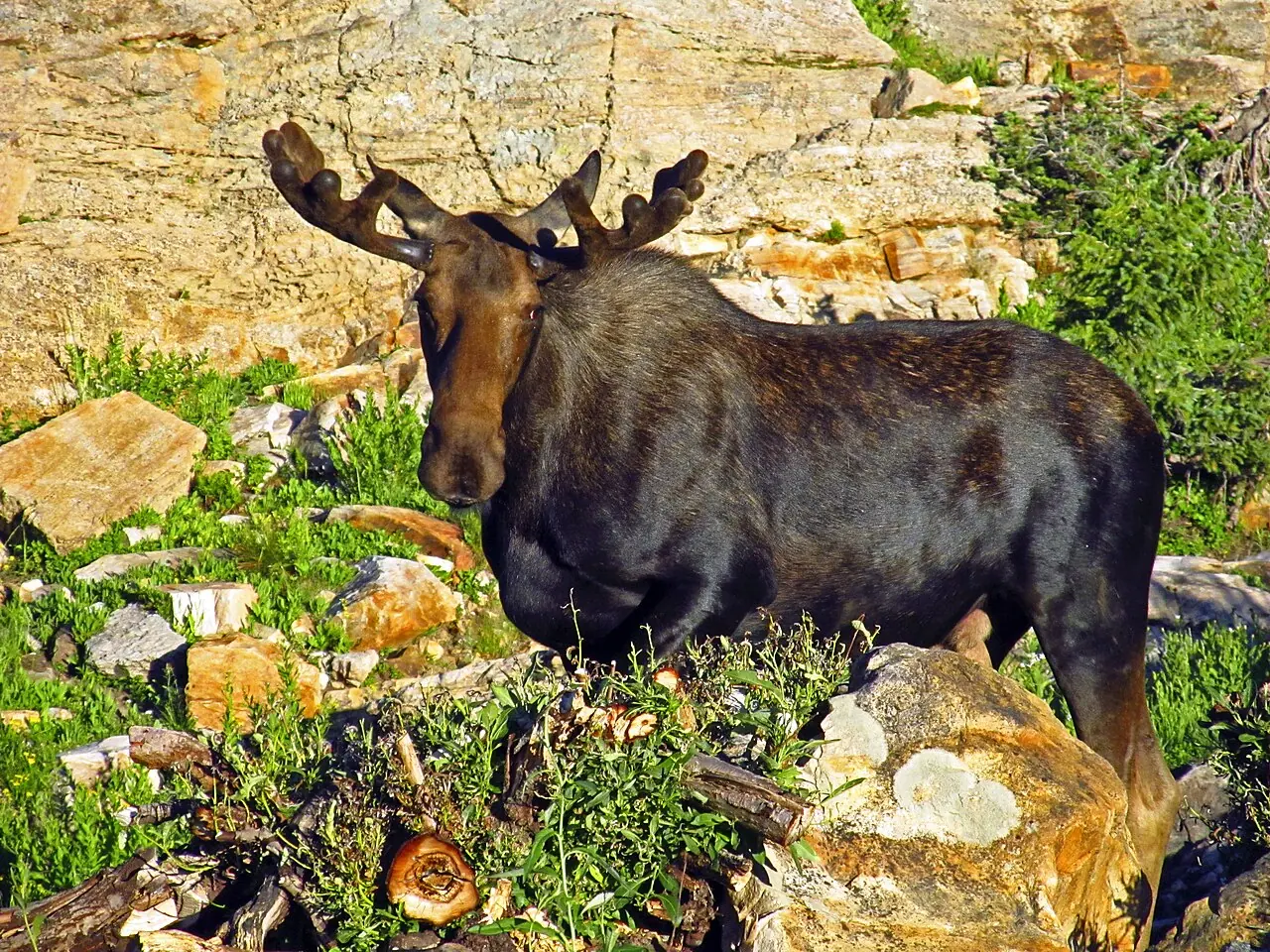
The largest member of the deer family in Utah, at home where northern mountain forest meets water.